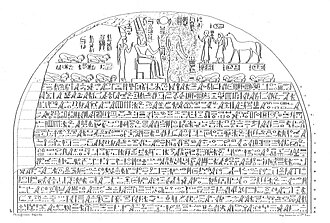
Black African
Political • Military • Statecraft
c. 750–715 BCE
Piye
King of Kush & Founder of Egypt's 25th Dynasty
Unified Kush and Egypt under Nubian rule and established a dynasty that reshaped northeastern Africa.
Ancient • Past • Present • Future
A living gallery of Black and Native American people whose choices reshaped politics, science, economics, culture, resistance, governance, and the way communities imagined freedom.
Search by person, place, field, movement, or idea. Filters here update the full gallery below.
The collection is organized around three broad periods rather than a single geography. “Before slavery” is treated here as before the large-scale Atlantic slave trade, avoiding the false impression that forms of slavery did not exist elsewhere in earlier history.
c. 750–715 BCE
King of Kush & Founder of Egypt's 25th Dynasty
Unified Kush and Egypt under Nubian rule and established a dynasty that reshaped northeastern Africa.
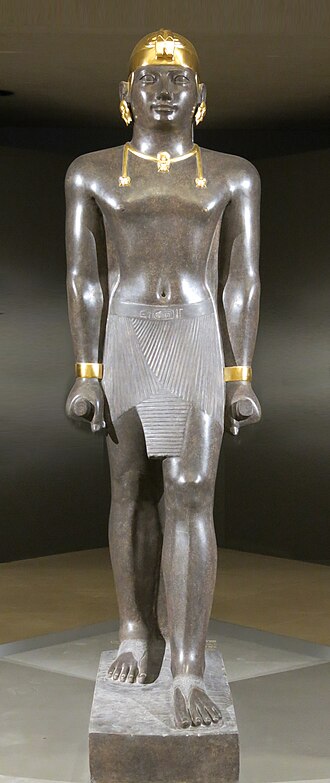
c. 690–664 BCE
Kushite Pharaoh of the 25th Dynasty
Expanded monumental building across the Nile Valley and defended Kushite-Egyptian power during Assyrian expansion.
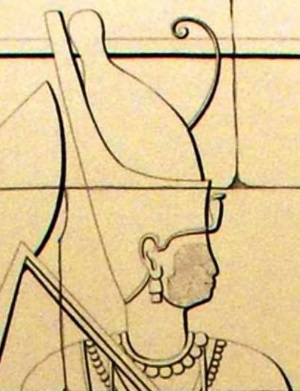
c. 1st century BCE
Kandake of Kush
Led Kushite resistance to Roman expansion and negotiated a favorable peace that protected Kushite autonomy.
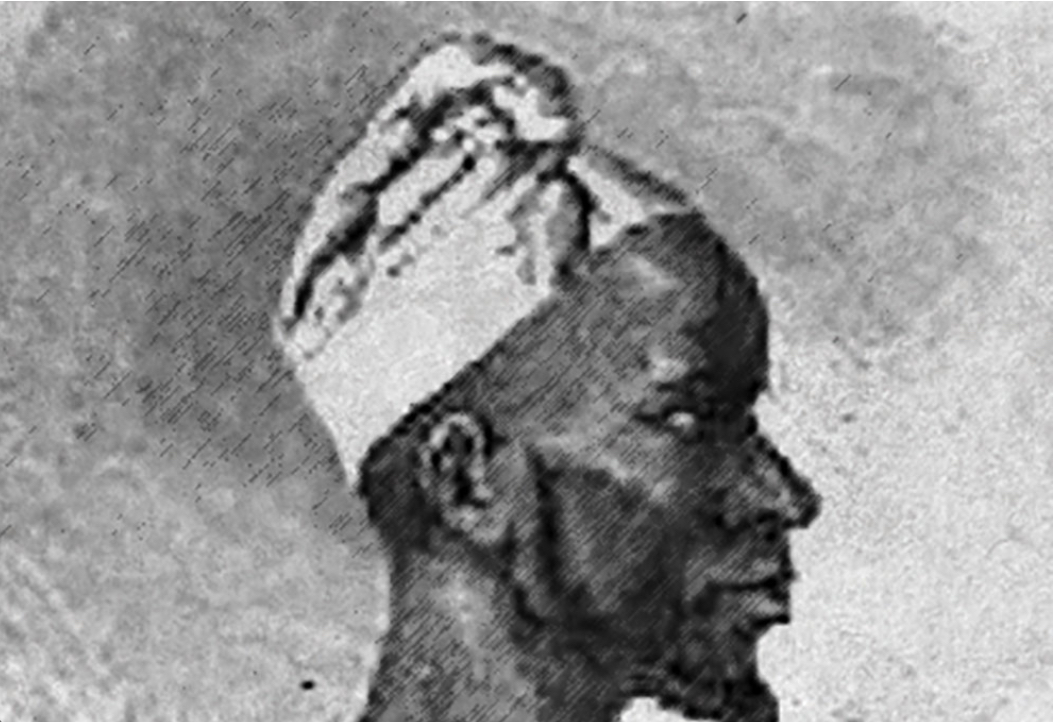
c. 1217–1255
Founder of the Mali Empire
Established the political foundations of Mali, linking trade, law, oral tradition, and imperial governance.
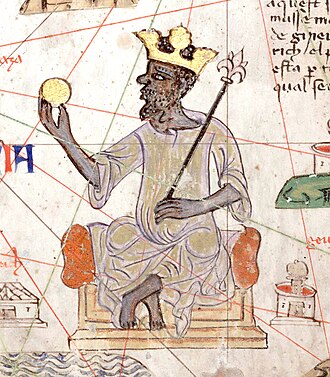
c. 1280–1337
Mansa of the Mali Empire
Made Mali a global symbol of wealth, scholarship, commerce, and architectural patronage.
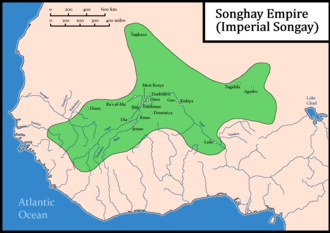
r. c. 1464–1492
Emperor of Songhai
Expanded Songhai into a major West African empire controlling key Niger River and trans-Saharan trade centers.
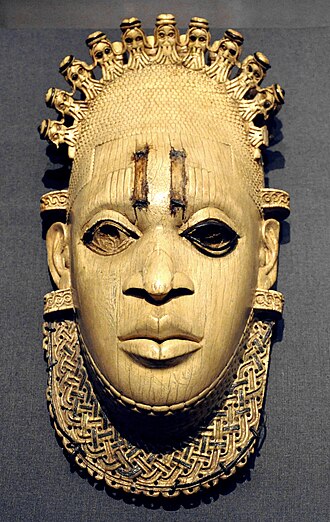
15th–16th century
Iyoba (Queen Mother) of Benin
Helped secure the reign of Oba Esigie and became an enduring symbol of Benin court power and artistic achievement.
traditional dates vary
Founder Figure of the Haudenosaunee Confederacy
Central to the formation of the Haudenosaunee Confederacy and its Great Law of Peace.
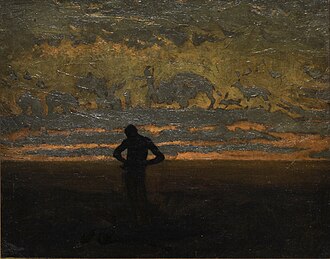
traditional dates vary
Haudenosaunee Leader & Peacemaker
Worked within Haudenosaunee tradition to build unity among nations and strengthen confederated governance.
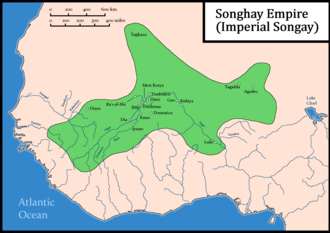
c. 1440s–1500s
Askia of the Songhai Empire
Strengthened Songhai administration, trade, scholarship, and regional governance at the turn of the 16th century.
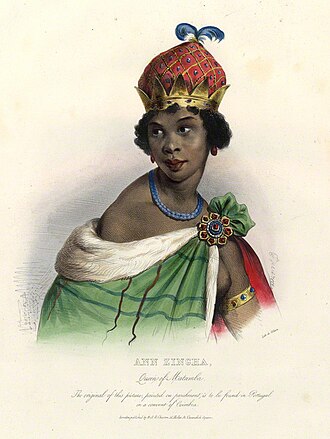
1583–1663
Queen of Ndongo and Matamba
Resisted Portuguese expansion through warfare, diplomacy, alliance-building, and political adaptation.
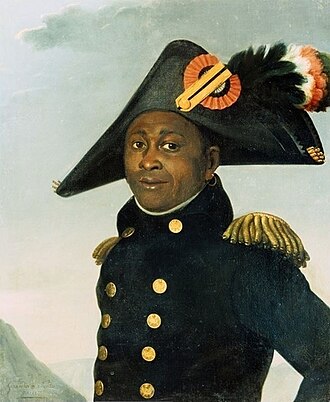
1743–1803
Leader of the Haitian Revolution
Turned a slave uprising into a revolutionary struggle that destroyed slavery in Saint-Domingue.
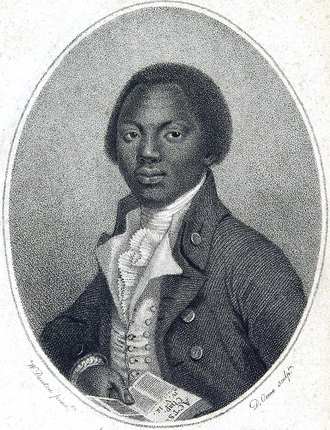
c. 1745–1797
Author, Merchant & Abolitionist
His autobiography gave the abolition movement one of its most influential firsthand accounts of enslavement and freedom.
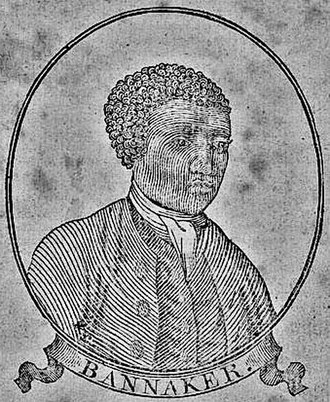
1731–1806
Astronomer, Almanac Author & Surveyor
Demonstrated Black scientific and mathematical achievement in the early United States and publicly challenged racial prejudice.
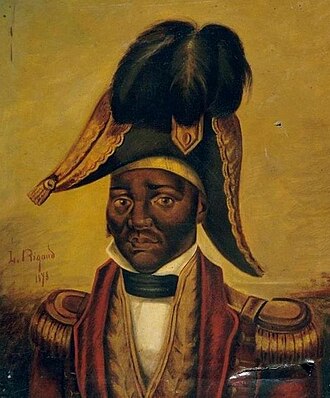
c. 1758–1806
Leader of Haitian Independence
Led the final phase of Haiti's war for independence and declared the new nation independent in 1804.
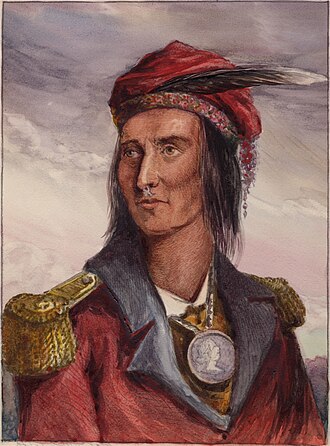
c. 1768–1813
Shawnee Leader & Confederacy Builder
Built an intertribal movement to resist U.S. expansion and defend Indigenous land as a shared political inheritance.
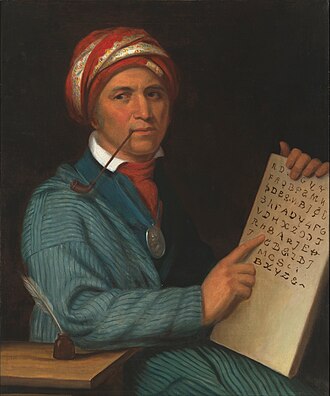
c. 1770–1843
Creator of the Cherokee Syllabary
Created a writing system that enabled rapid growth of Cherokee literacy, publishing, education, and political communication.
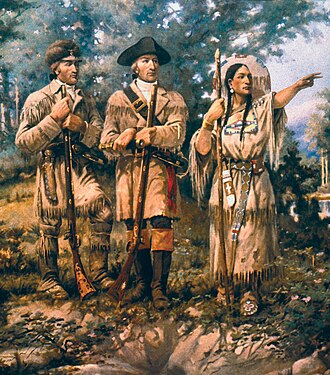
c. 1788–1812/1884
Interpreter & Guide
Her language skills, knowledge, and presence aided the Lewis and Clark expedition across Indigenous homelands.
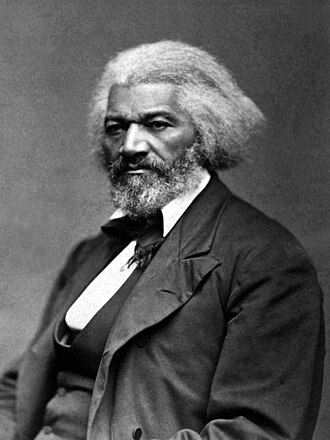
1818–1895
Abolitionist, Writer & Statesman
Used autobiography, journalism, public speaking, and political advocacy to attack slavery and expand the meaning of American citizenship.
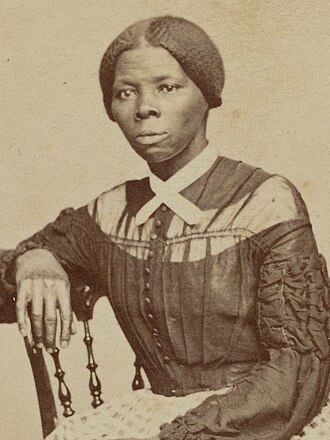
c. 1822–1913
Underground Railroad Conductor & Union Scout
Escaped slavery, repeatedly returned to guide others to freedom, and served the Union cause during the Civil War.
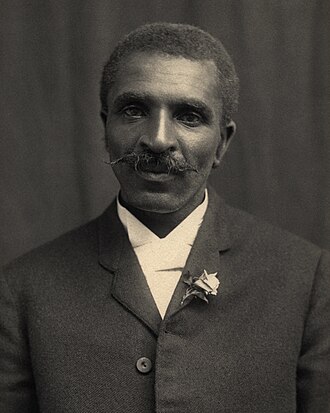
1864–1943
Agricultural Scientist & Educator
Advanced soil restoration, crop diversification, agricultural education, and practical science for farmers.
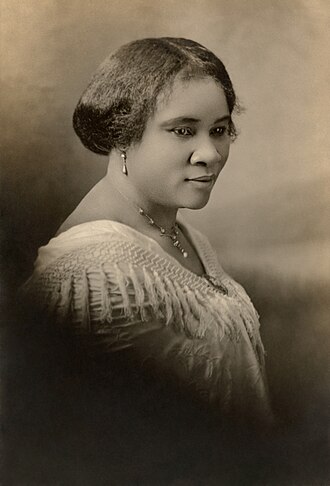
1867–1919
Entrepreneur & Philanthropist
Built a national beauty enterprise that created economic opportunities for thousands of Black women.
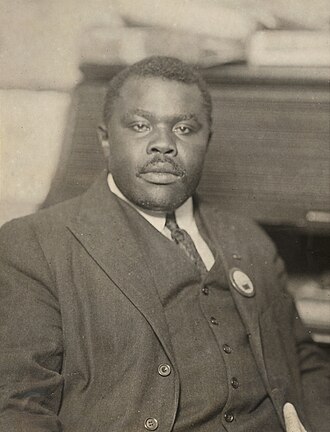
1887–1940
Pan-African Organizer & Entrepreneur
Built a mass global movement centered on Black pride, institution-building, economic independence, and African self-determination.
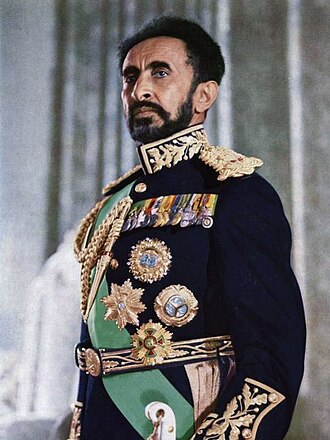
1892–1975
Emperor of Ethiopia
Became an international symbol of African sovereignty, anti-fascist resistance, and continental unity.
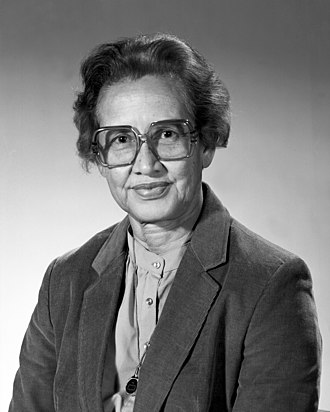
1918–2020
NASA Mathematician
Her orbital calculations supported landmark U.S. space missions and opened public recognition of Black women in technical fields.
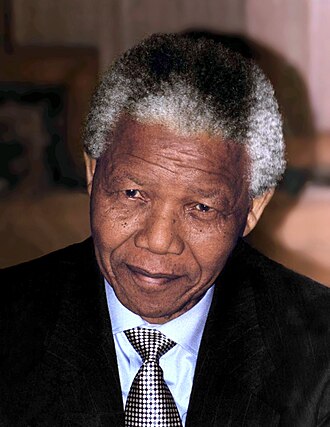
1918–2013
President of South Africa
Helped dismantle apartheid and guided South Africa through a historic transition to multiracial democracy.
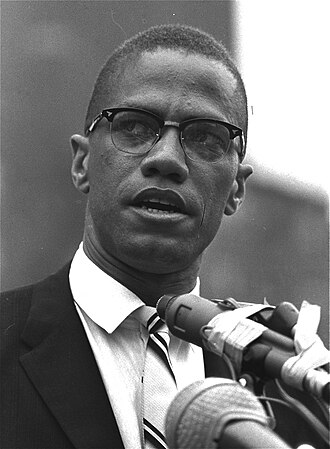
1925–1965
Human Rights Activist
Reframed Black freedom as a question of self-determination, international human rights, dignity, and political power.
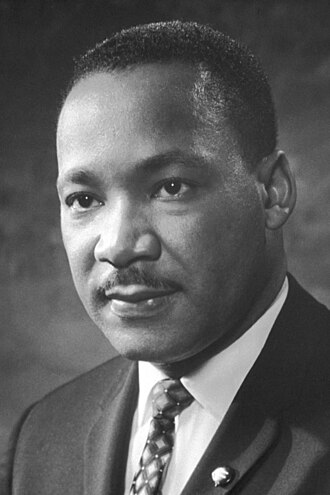
1929–1968
Civil Rights Leader
Made nonviolent direct action a central force in the U.S. civil-rights movement and linked racial justice to economic and human rights.
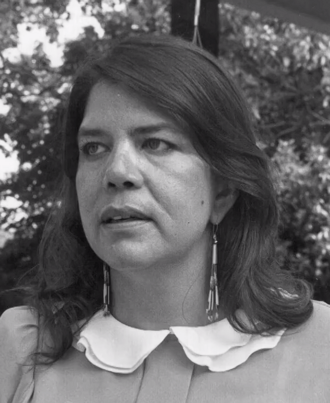
1945–2010
Principal Chief of the Cherokee Nation
Expanded Cherokee governance, community development, health, and education while becoming a landmark Indigenous woman in public leadership.
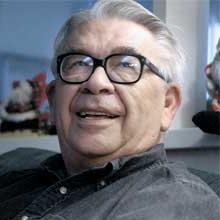
1933–2005
Scholar, Author & Indigenous Rights Thinker
Changed how law, religion, history, and sovereignty were debated through a distinctly Indigenous intellectual framework.
The point is not to freeze people inside tragedy. It is to show continuity: civilizations before the Atlantic system, resistance within it, and institution-building after formal emancipation.
Kush, Mali, Songhai, Benin, and Haudenosaunee governance show mature systems of statecraft, diplomacy, learning, law, commerce, and cultural memory before the Atlantic slave trade became a dominant force.
From Queen Nzinga and Haiti to Cherokee literacy and Shawnee confederacy-building, people fought not only for survival but for political autonomy, communication, land, education, and definitions of citizenship.
Scientists, entrepreneurs, organizers, chiefs, intellectuals, and heads of state turned survival into institution-building. Their legacies are presented as foundations for what comes next, not as endpoints.